The Ultimate Guide to Auto and Truck Repair Services
A weird noise can make you second-guess every mile. You want answers, but you also want to avoid paying for the wrong fix. You’re in the right place. This ultimate guide to auto and truck repair services will help you next time a warning light pops up, or a work truck starts feeling rough.
A good shop narrows things down through testing rather than guesswork. When the diagnosis remains accurate, the repair is usually smaller.
Start With the Right Shop for the Job
Not every shop works on every kind of vehicle. Some focus on passenger cars, while others handle trucks and fleets. You’ll save time by choosing a shop that sees your vehicle type every day. Better familiarity often means faster troubleshooting and fewer return visits.
A shop that understands both types can help connect symptoms to real causes. They can also recommend repairs tailored to how you use your vehicle.
A Few Smart Questions Before You Book
Start by asking whether the shop regularly services your make, model, and vehicle class. Next, discuss diagnostics. Ask how they communicate findings. If you are on a deadline, inquire about scheduling and turnaround early so expectations remain realistic.
What a Solid First Visit Should Feel Like
A great appointment starts with the shop listening to what you’ve noticed. Expect follow-up questions about when the symptom appears and what has changed recently. The technician should explain the diagnostic plan before starting any work. When your visit wraps up, you should understand their findings and how the recommendation matches your situation.
Diagnostics That Point to the Real Fix
Diagnostics are where smart repairs start. A code reader can point to a system, but it usually doesn’t tell the whole story. Good technicians pair scan results with hands-on testing and real driving conditions. That mix keeps the repair focused and prevents you from paying for unnecessary parts.
Some issues look scary on a dashboard light but stay manageable with quick attention. Other problems can snowball if you keep driving. A clear explanation helps you decide how urgent the repair truly is.

Check Engine Lights and Dash Warnings
A steady check engine light can indicate anything from a loose gas cap to a sensor issue affecting drivability. When the light flashes, treat it like a “stop waiting” signal. If you notice reduced power along with the warning, schedule service quickly rather than hoping it clears on its own. Even if the light disappears later, the vehicle often stores information that still helps the diagnosis.
How Techs Confirm a Diagnosis
Scan data shows what the computer sees, but confirmation proves what actually failed. Technicians review live sensor readings, look for vacuum leaks, test electrical signals at connectors, and conduct road tests, especially when symptoms appear only under load or at certain speeds. Once the cause is verified, the repair becomes a clear decision.
Engine and Cooling Repairs That Prevent Breakdowns
Engines can run a long time when cooling and lubrication stay healthy. The trouble is that cooling problems often start quietly, then spike fast. Oil leaks behave the same way, especially when they drip onto hot components and burn off. Catching these early saves you from the kind of failure that strands you.
If your truck works hard or your vehicle racks up stop-and-go miles, heat management becomes even more important. A routine inspection can spot small issues before they become a roadside call.
Oil Leaks, Seals, and Performance Complaints
Oil spots on the driveway look minor until you realize the level keeps dropping. Low oil levels increase friction and heat, which accelerate engine wear. A shop should identify the exact source of the leak rather than guessing. Once it’s fixed, consistent oil service keeps performance steadier and helps the engine last longer.
Brake Repair Services That Keep You Safe
Brakes don’t usually go from “fine” to “bad” overnight. They give you warnings: squealing, vibration, and longer stopping distances all count. When you’re busy, it’s easy to ignore these signs. But catching them early saves you money and keeps your repairs simple.
Trucks and loaded work vehicles put extra demand on brakes. Heat builds quickly, especially on routes with frequent stops, which can affect pads, rotors, and hardware over time. A brake inspection with real measurements gives you a clear plan.
Brake Fluid, ABS, and Warning Lights
Brake fluid absorbs moisture over time, which can reduce performance and corrode internal components. If the ABS light comes on, the system needs a scan and an inspection of the wheel sensors or wiring. Fixing an ABS issue early can prevent a bigger electrical headache down the road.

Tire Services for a Smoother Ride
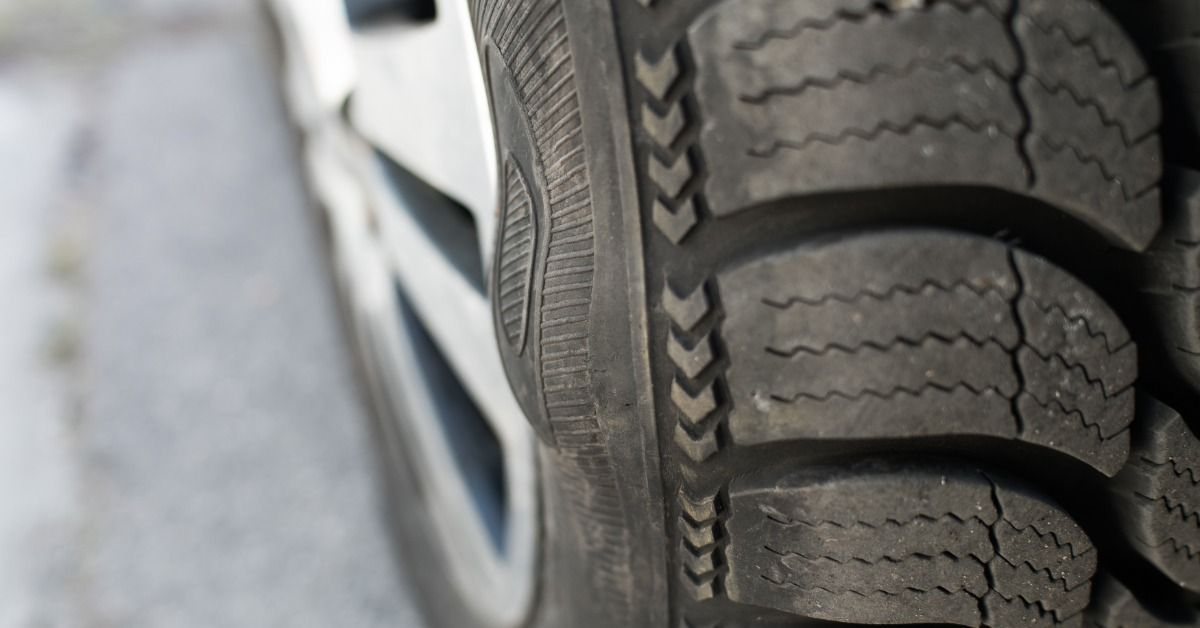
A vehicle that feels tight and stable is easier to drive, especially on long days. If the steering feels loose or the ride becomes bouncy, suspension wear is often the cause. Tire issues can worsen these symptoms, so technicians inspect both systems together. You’ll notice improvements quickly when the true cause is addressed. If you find yourself replacing tires frequently, another underlying issue may be causing the wear.
If the steering wheel shakes at highway speeds, balancing may be off, and some components may be worn out, worsening the shake. Use the list below as a quick reference when deciding whether to book an inspection:
- Pulling to one side on a straight road
- Steering wheel shake at highway speeds
- Clunking noises over bumps or turns
- Uneven tire wear on one edge
- Excess bouncing after a bump
- Loose or “wandering” steering feel
Transmission and Drivetrain Repairs
Transmission and drivetrain problems can show up as small changes at first. A slight delay when shifting or a faint vibration under acceleration counts as an early warning. Heat and low fluid often make those symptoms worse over time. Acting early can keep the repair from turning into internal damage.
For work trucks and tow vehicles, the drivetrain load remains high. That extra stress makes fluid condition and service timing more important. A good shop won’t guess here, because the wrong approach can make things worse. Testing and inspection should guide the next step.
Turning Symptoms Into Smart Decisions
You don’t need to memorize every system in your vehicle to make smart repair decisions. Simply keep this ultimate guide to auto and truck repair services in mind when you do your consultation. Start with symptoms and insist on proper diagnostics before you agree on a repair.
If you want support from a team that works on both cars and trucks, Advanced Vehicle Technology Services is here to help. We offer both truck and car repair service options you can rely on, especially when a small warning sign starts creeping into your day. Give us a call or schedule an appointment, and let’s get your vehicle back to smooth, dependable driving.
You might also like