Common Truck Repair Issues and How to Avoid Them
Trucks are built to work, but even the toughest equipment has weak points. The upside is that most breakdowns start as small, fixable warnings. When you watch fluids, listen for changes, and keep inspections consistent, they become less about surprises and more about staying ahead of the wear that comes with real-world miles. Read on to understand the most common truck repair issues and how to avoid them.
Engine Health and Overheating Prevention
Heat and lubrication are the two biggest factors in long-term engine life. Overheating often begins with a minor cooling issue that slowly worsens, while oil-related problems usually show up as subtle changes in sound or consumption. Staying proactive here protects your schedule and helps you avoid repairs that pull a truck out of service for days.
Stop Cooling System
Small leaks from hoses, clamps, radiators, or water pumps can drop coolant levels just enough to cause temperature spikes on hills or during stop-and-go driving. Coolant also breaks down over time, which reduces its ability to control heat and prevent corrosion. Check level and condition regularly, address residue or sweet smells promptly, and service coolant on schedule so the system stays stable under load.
Protect the Engine With Smart Oil Practices
Oil does more than lubricate. It reduces friction, removes heat, and carries contaminants to the filter. When oil gets low or stays in too long, wear accelerates quietly until a major failure announces itself. Use the correct oil spec for your engine and duty cycle, track top-offs between changes, and investigate sudden consumption increases before they turn into turbo, seal, or internal wear problems.
Brake Performance and Wear Control
Brake components wear naturally, but the most expensive brake repairs are usually caused by heat and neglect. Heavy loads, city routes, and downhill braking can push temperatures high enough to damage pads, rotors, and calipers. If you manage brake wear early, you improve safety and reduce the chance of an unexpected out-of-service event.
Reduce Heat-Related Pad and Rotor Damage
Repeated hard stops and long descents can glaze pads and warp rotors, leading to squealing, vibration, or longer stopping distances. Encourage drivers to use engine braking where appropriate, avoid riding the pedal in traffic, and report any pulsing or steering shake immediately. Schedule more frequent inspections for trucks that tow or run dense routes, and replace pads before they become thin enough to cause rotor scarring.
Catch Leaks and ABS Faults Early
Air leaks in fittings or valves, or hydraulic leaks in hoses and calipers, can reduce braking force and trigger warning lights. ABS sensors and wiring take a beating from salt, water, and debris, which can affect stability in poor traction conditions. Pay attention to pedal feel, air pressure behavior, and dashboard alerts, then get a diagnostic scan quickly so a minor fault doesn't become a bigger issue.
Tires, Alignment, and Suspension Trouble Spots
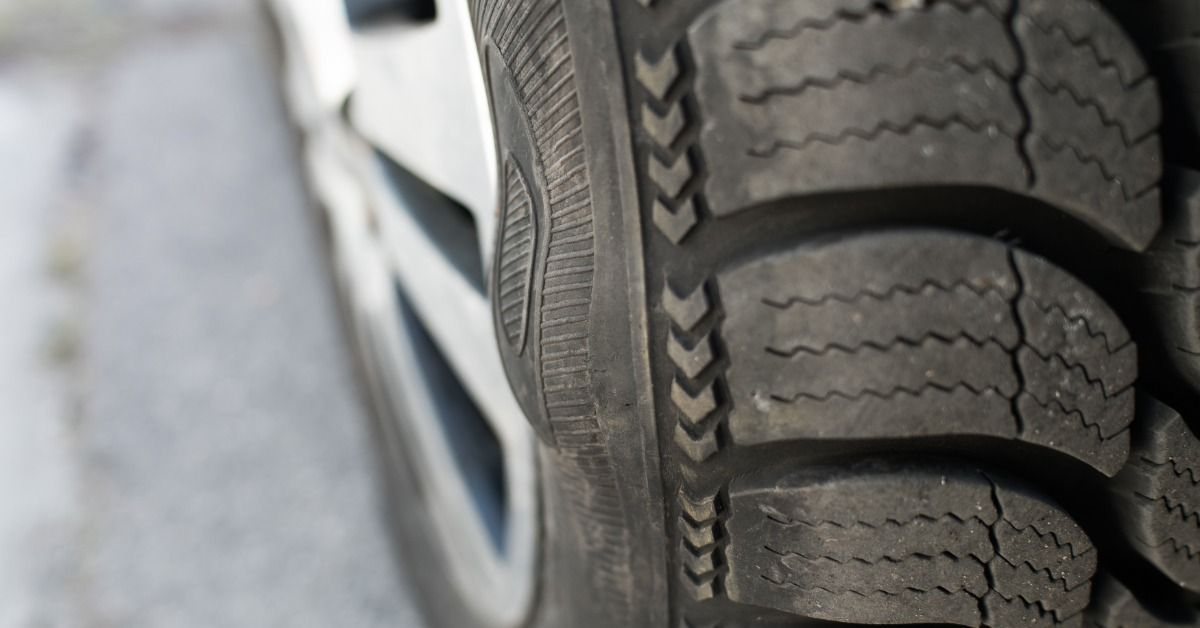
Tires tell the truth about how a truck is behaving. Inflation errors, alignment drift, and worn suspension parts all affect tread wear and handling. When you correct the cause rather than just replace tires, you improve ride control, protect steering components, and often see better fuel economy.
Prevent Blowouts and Uneven Wear
Underinflation builds heat and weakens the tire structure, especially on loaded runs, while overinflation can reduce grip and cause center wear. Check pressure when tires are cold and set it based on actual load, not habit. If loads vary, build a simple process for drivers to adjust accordingly. Catching slow leaks early also helps you avoid roadside failures and premature casing damage.
Address Alignment Drift and Worn Components
Potholes and job-site impacts can knock alignment out of spec, causing pulling, wandering, and rapid shoulder wear. Worn shocks, bushings, ball joints, and tie rods add play that makes handling feel loose and chews through tires. Treat new vibrations or pulling as maintenance requests, schedule alignments at consistent intervals, and include steering and suspension checks during rotations so issues are corrected before they multiply.

Electrical and Starting Problems
Electrical issues can feel unpredictable, but many are preventable with basic testing and clean connections. Batteries degrade, terminals corrode, and charging systems struggle when belts slip or alternators weaken. Because modern trucks rely on stable voltage for sensors and modules, a marginal electrical system can trigger warning lights and drivability quirks that waste time during diagnosis.
Battery and Cable Care
Short trips and heavy accessory use can leave batteries undercharged, and cold weather reduces starting capacity. Corrosion at terminals increases resistance, slowing cranking even when the battery is not fully dead. Clean terminals, inspect cables for damage, and test batteries before peak seasons. If a truck sits for long periods, rotate its use or use a maintenance charger to keep the batteries healthy.
Charging System Causing Cascading Faults
An alternator that undercharges can cause dim lights, warning messages, and odd behavior from electronics. Belts that crack or slip reduce output and can create squealing that drivers may ignore. Inspect belt condition and tension routinely and address charging warnings immediately. Early repairs are usually straightforward, while delayed fixes can lead to repeated fault codes and unnecessary parts replacement.
Maintenance Habits That Prevent Repeat Repairs
The best maintenance program is the one you can follow consistently. That means matching service intervals to duty cycle, using repeatable inspections, and creating a simple feedback loop between drivers and technicians. When small issues get handled quickly, you reduce emergency repairs and keep your trucks available when you need them most.
Match Service Intervals to How the Truck Works
A highway truck and a stop-and-go truck wear differently, even with similar mileage. Use mileage, engine hours, and your own repair history to set realistic intervals for oil, brakes, fluids, and inspections. If towing and idling are common, shorten intervals and check key systems more often. A schedule that reflects real conditions prevents surprises and extends component life.
Turn Driver Feedback Into Early Fixes
Drivers notice changes first, such as new noises, smells, warning lights, or a shifting feel. Make reporting easy and treat early notes as wins, not complaints. When a driver flags a problem quickly, your shop can inspect it before the truck is stranded or a minor part damages a major one. That habit saves money, reduces stress, and builds a safer operation.
Staying Ahead of Breakdowns
Repairs are part of owning and operating trucks, but expensive breakdowns do not have to be. When you focus on consistent inspections, fast response to warning signs, and service intervals that match real-duty cycles, these common truck repair issues become easily avoidable, keeping trucks earning instead of sitting.
Advanced Vehicle Technology Services provides auto and truck repair services that help your fleet stay reliable, reduce surprise downtime, and keep deliveries and job schedules on track. If a warning light, vibration, braking change, or overheating concern is starting to show up, bring your trucks in early so minor issues do not turn into major repairs. Get a free quote today!
You might also like