Preventative vs. Reactive Fleet Maintenance Services
Fleet maintenance always costs money, but the timing of that spending changes everything. Preventative service lets you plan repairs around routes and workloads, while reactive service forces you to respond when something fails and interrupts your day.
When you compare preventative versus reactive fleet maintenance services, you compare predictability against disruption. Read on to see how the best fleets treat maintenance like a business system, not a last-minute fix.
Defining Preventative Fleet Maintenance
Preventative maintenance covers inspections, adjustments, and part replacements scheduled before anything breaks. The maintenance timing will depend on mileage, engine hours, seasons, and how hard each vehicle works.
Think of preventative work as a regular routine that keeps daily operations running. Technicians consistently check fluids, belts, hoses, brakes, tires, batteries, and safety systems. They record measurements and spot early wear so the fleet manager can make well-informed decisions.
What Reactive Fleet Maintenance Looks Like
Reactive maintenance kicks in after something breaks or a warning can’t be ignored. Maybe a truck breaks down, overheats, loses braking power, or struggles to start and needs urgent help. Then you rush to find parts, check shop availability, arrange towing, and reroute vehicles. This scramble adds costs that don’t always show up on the repair bill.
Reactive work puts pressure on decision-making, which often leads to compromises. You might pick the quickest available parts instead of the best ones for your fleet. Over time, this leads to recurring problems because the root causes aren’t addressed.
Preventative Maintenance Keeps Fleets on Schedule
Preventative maintenance lets you decide when service takes place. You can schedule work during quieter times and rotate vehicles to stop bottlenecks. It also lowers the risk of roadside breakdowns that disrupt routes and upset customers.
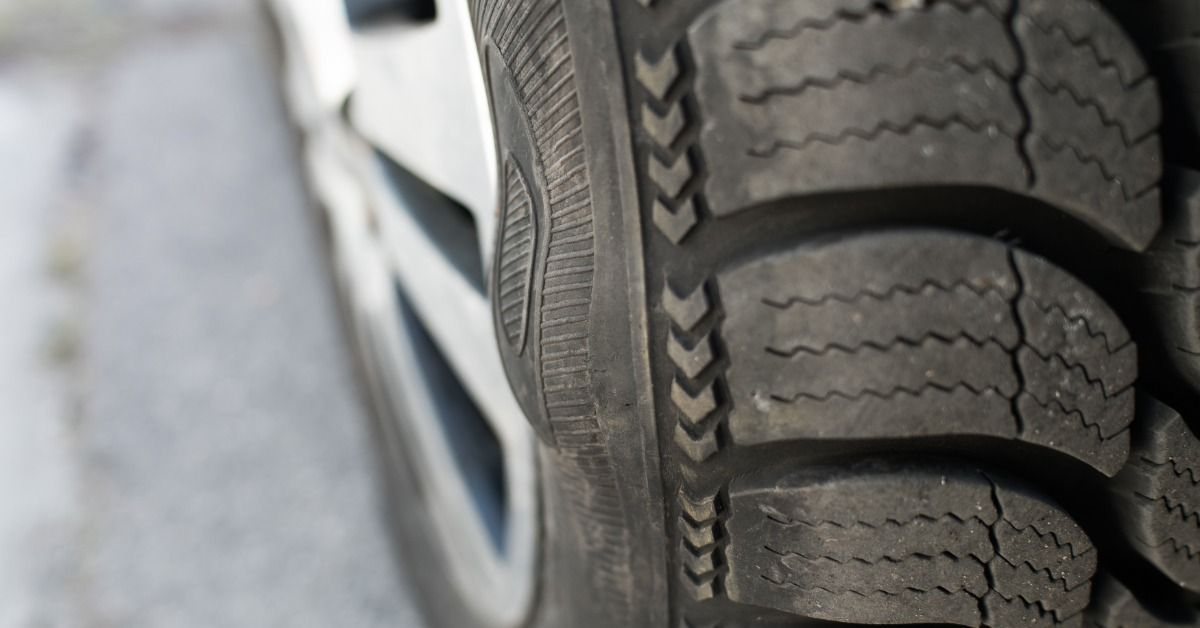
Preventative service also helps keep operations safer. Worn tires, thinning brake pads, and loose steering cause risks well before they fail. Periodic inspections catch these problems early when fixes are easier and more predictable. Consistent maintenance protects your drivers, cargo, and reputation.

The True Cost of Reactive Maintenance
Reactive maintenance may seem cheaper since you delay spending until something breaks. This can feel like a good way to save money, especially when budgets are tight. However, failures usually affect more than one part. For example, ignoring a coolant leak can result in overheating, warped parts, and much more extensive repairs.
Reactive maintenance also causes downtime costs that affect the whole business. Dispatchers have to reassign routes and update customers, while drivers lose hours waiting for towing or repairs. When you add labor and lost revenue, reactive maintenance usually ends up costing more.
Building a Preventative Plan
A preventive plan has to match how each vehicle is used, or it won’t work well. For example, city delivery trucks typically experiences brakes and suspension wear faster than highway trucks. You get better results when you set maintenance intervals based on actual usage rather than generic rules.
Begin with basic intervals for oil changes, inspections, and safety checks, then adjust them using real data. Monitor brake wear, tire patterns, fluid quality, and repeated fault codes. Lastly, change schedules for vehicles that tow more, idle longer, or work on rough sites.
Where Preventive Service Pays Off
Some systems create the most downtime when they fail, so they deserve extra attention. Brakes, tires, cooling systems, batteries, and steering components are the most common problem spots. Preventative checks catch that early wear and prevent secondary damage.
Here’s a list of key preventative actions that boost reliability and cut down repeat repairs. Use this as a practical checklist for what to watch and service regularly.
- Inspect brake pads and rotors before heat damage spreads.
- Correct tire pressure weekly to reduce heat and uneven wear
- Test batteries seasonally and clean terminals to prevent no-starts
- Check coolant condition and fix small leaks prior to overheating.
- Inspect belts and hoses for cracking before they slip or burst.
- Align and balance tires on schedule to prevent rapid wear.
- Scan warning lights early to avoid cascading electrical faults.
These actions reduce uncertainty, allowing you to spot wear before it causes a breakdown and avoid having to fix several parts at once. This also provides drivers with more reliable vehicles, boosting their confidence and performance. Being consistent means fewer emergencies and an easier schedule.

How Driver Habits Support Maintenance Outcomes
Drivers have more impact on maintenance than many fleets realize. They feel the first vibration, notice braking changes, and smell overheating early on. When they report these signs quickly, technicians can easily fix problems before they get worse. Ignoring these symptoms often leads to breakdowns at the worst moments.
You can improve your maintenance strategy by making reporting easy and regular. Ask drivers to note warning lights, strange noises, pulling, or delayed shifting the same day they spot them. Additionally, encourage pre-trip checks of tires, leaks, and lights before they head out.
When Reactive Maintenance Still Has a Place
No preventative plan can prevent every failure. Road hazards, sudden part failures, and tough conditions can still cause breakdowns. Reactive maintenance is still important because it gets you back on the road and keeps your business running. The key is to use reactive repairs as feedback to make your preventative plan better.
After a breakdown, record the details and look for patterns in similar vehicles. See if inspections might have caught the problem sooner, or if the duty cycle needs shorter intervals. Afterward, update the schedule based on what you find and share changes clearly with drivers and dispatch. Using reactive events as data helps you build a smarter fleet over time.
Choosing Fleet Maintenance Services
A good maintenance partner does more than fix what’s broken today. You need consistent inspection standards, clear communication, and advice tailored to your fleet’s needs. You also want technicians who identify fundamental causes rather than just replacing parts. This approach cuts repeat visits and keeps your vehicles dependable.
Advanced Vehicle Technology Services offers fleet maintenance services to help reduce unexpected downtime and keep your team on schedule. We support preventive planning, detailed inspections, and speedy repairs to prevent small problems from becoming big ones. Build reliability by treating maintenance as a strategic priority and cooperating with a team that understands fleet challenges. Give us a call today!
How to Transition from Reactive to Preventative
When you start building a steady maintenance rhythm, you’ll feel the difference fast because you’re no longer letting breakdowns dictate the week. That’s really what we mean when we talk about the differences of preventative versus reactive fleet maintenance services; you’re choosing a calmer, more controlled operation where you plan repairs before they blow up your schedule. Instead of scrambling every time, you’ll stay a step ahead and keep your trucks working when you need them most.
You might also like