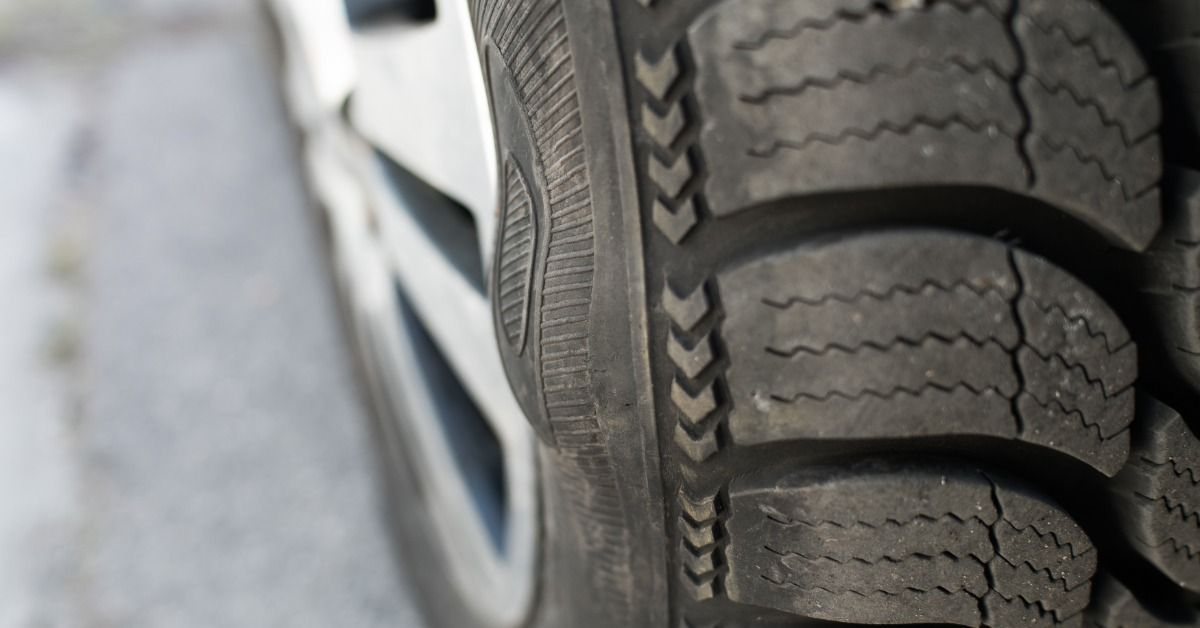
Auto Repair Tips to Keep Your Car Running Smoothly
A smooth-running car makes everyday life easier. You get better fuel economy, more reliable starts, and fewer surprise repairs. Most of that comes down to simple habits you can repeat! With the right routine, you can keep small issues from turning into big headaches.
These auto repair tips to keep your car running smoothly focus on what drivers can control. You’ll learn where to pay attention, what changes to take seriously, and how to stay ahead of wear and tear.
Follow a Maintenance Rhythm
The best maintenance schedule is the one you follow consistently. Your owner’s manual gives you a starting point, but your actual driving conditions should be considered as well. City traffic and heavy loads all increase wear.
Put oil changes and tire rotations on a calendar, and set reminders for seasonal checks. Keep your service records in a folder or a notes app so you can reference them quickly. That simple organization makes every future decision easier.
Use Time and Mileage Together
Some maintenance depends on time, even if you do not drive much. Fluids can absorb moisture, rubber components can dry out, and batteries can weaken with age. Mileage tells part of the story, but time tells the other half. When you use both, you protect your car more effectively.
If you cannot remember the last service date, do not guess. Look at your records, or check the service sticker if you have one. If you recently bought the car, schedule a baseline inspection to see where you stand.
Keep Oil Changes Simple and Consistent
Oil keeps engine parts lubricated and helps control heat. As oil ages, it breaks down and loses its ability to protect the engine. Sludge, a thick, dirty buildup in the engine, can accumulate, increasing friction, especially on short trips. Regular oil changes are one of the best ways to keep your engine running smoothly for the long haul.
The oil filter also traps debris, which are tiny solid particles, helping keep the oil cleaner for longer. A clogged air filter, which is an engine component that blocks dust, can reduce performance and fuel economy by restricting airflow. When you change filters on schedule, your engine breathes easier and works less.
Watch for Leaks and Oil Smells
Oil leaks often start small, then grow quietly. You might see spots on the driveway, notice a burning smell after driving, or find oil residue around the engine area. If the oil level drops between changes, the engine can wear faster than you expect. Catching a leak early usually costs far less than fixing damage from low oil.
Check your oil level occasionally, especially before long drives. Make sure you park on a level surface for the most accurate reading. If the oil looks gritty or smells burnt, schedule a service check soon.
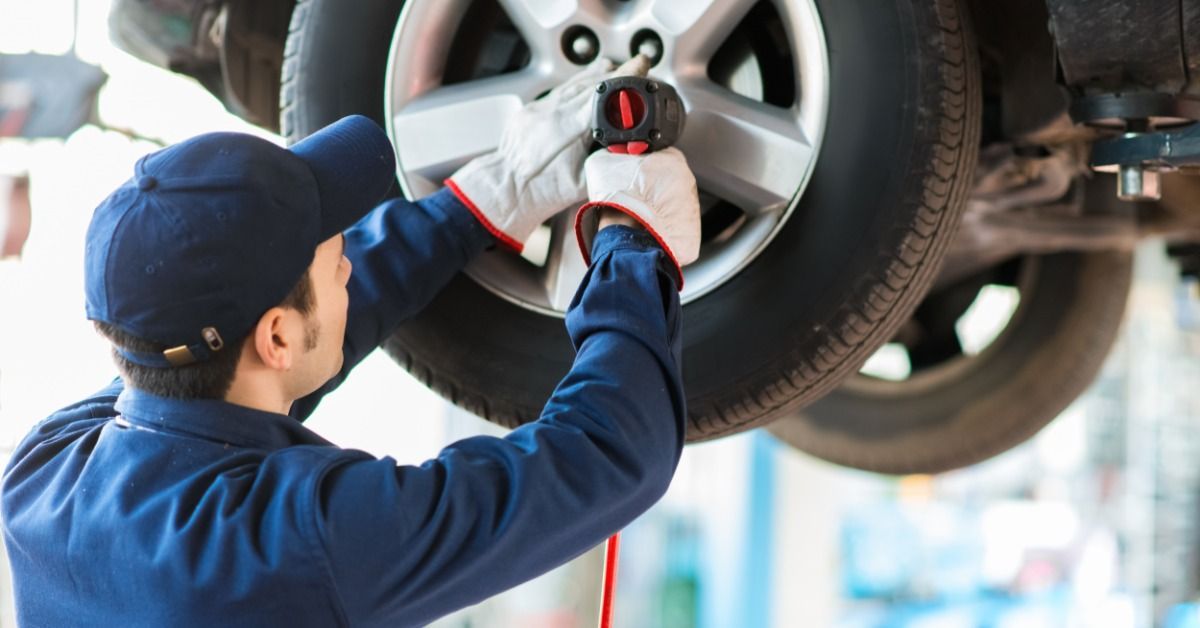
Treat Tire Care Like a Comfort Upgrade
Tires influence how smooth your car feels more than almost anything else. When tire pressure drops, the ride can feel heavy and sluggish. On the other hand, if pressure runs too high, bumps can feel sharper, and your traction can suffer. Tires also wear faster when alignment drifts or suspension parts loosen.
Check tire pressure monthly, and always check before a long road trip. Use the pressure on the driver’s door jamb, not the maximum printed on the tire. Rotate tires on a consistent schedule to help tread wear evenly, improve ride quality, and extend tire life.
Spot Alignment and Balance Issues Early
If your steering wheel shakes at highway speeds, your tires likely need balancing. If the car pulls to one side, alignment could be off. Uneven tread wear often points to alignment or suspension issues that need attention. These problems can make your car feel rough and noisy, even when everything else is fine.
Do not wait until tires look “bad” to act. A quick alignment check can save you from replacing tires earlier than necessary.
Pay Attention to Brakes
Brakes usually give you signals before they become a serious problem. You may hear squealing, feel vibration, or notice longer stopping distances. The brake pedal may feel softer, firmer, or less responsive than normal. Any change deserves attention, because brakes impact your safety.
Know What Brake Noises Mean
A high-pitched squeal can signal pad wear or a wear indicator touching the rotor. Grinding often means the pad material is gone, and metal is in contact with metal. Lastly, vibration during braking can point to rotor issues or uneven pad deposits.
Do not ignore symptoms that come and go. A noise that only appears on hills still matters because braking heat is highest there. The earlier you address brake concerns, the more likely you can avoid secondary damage.
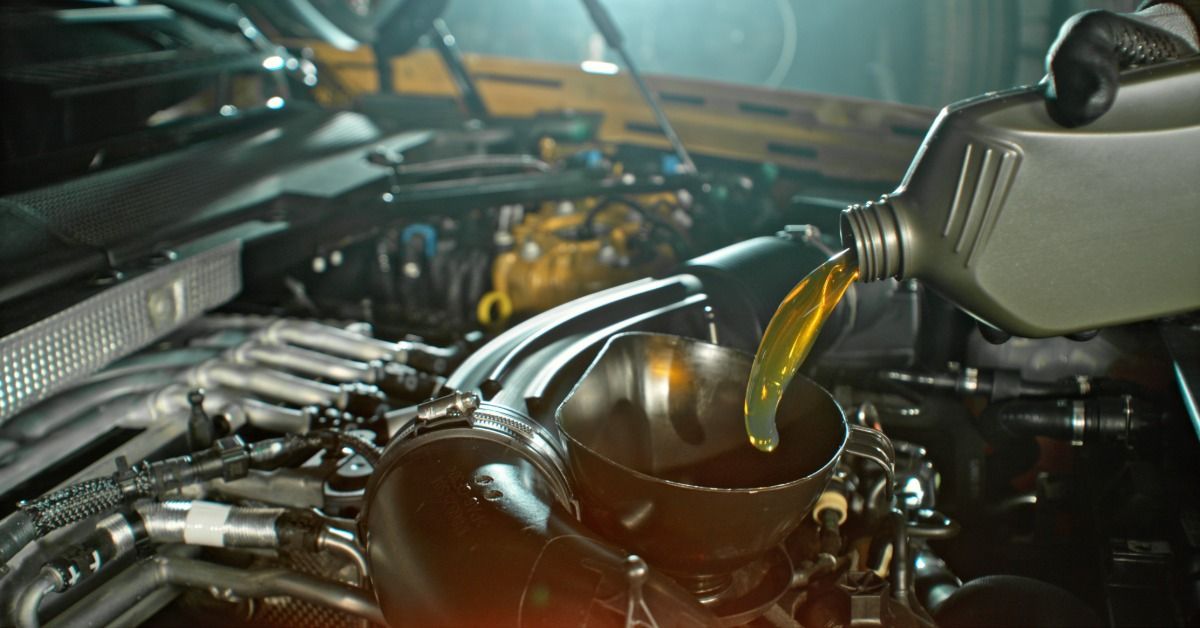
Keep Fluids Fresh for a Smoother Drive
Fluids keep systems cool, lubricated, and responsive. However, you do not need to memorize every fluid specification to stay on top of this. You just need routine checks and a service plan. If a fluid level drops, the system may have a leak that needs attention.
Here are a few fluid habits that help most drivers stay consistent:
- Check the engine oil level between changes.
- Watch the coolant level and investigate drops quickly.
- Replace brake fluid at recommended intervals.
- Service transmission fluid based on your driving conditions
- Top off windshield washer fluid before long trips.
Use Diagnostics Early When Warning Lights Appear
Modern cars store a lot of useful information. When a warning light comes on, the vehicle often records data that helps pinpoint the cause. If you address it early, you can prevent secondary damage and avoid repeat trips to the shop.
A code points you to a system, but it does not always identify the exact part. Good diagnostics combine scan data with real-world testing and experienced interpretation. That approach helps you avoid replacing parts that do not fix the problem. Accurate answers save time, money, and frustration!
Take a Flashing Check Engine Light Seriously
A steady check engine light can mean many things, from minor to urgent. A flashing check engine light often signals an active misfire that can damage the catalytic converter. If you see a flashing light, reduce the load and schedule service quickly. Acting fast can save you from a much bigger repair.
Make Inspections a Normal Part of Ownership
If you stick with these habits, you’ll notice your car feels steadier, starts easier, and stays quieter between shop visits. You’ll also get better at spotting “little” changes before they turn into expensive repairs. That’s the real payoff of using these auto repair tips to keep your car running smoothly: you’re staying in control instead of reacting to surprises. Keep it simple, stay consistent, and your car will reward you with a smoother drive.
If you’re in Buffalo Grove searching for auto repair, let’s get ahead of the problem before it becomes a bigger repair. Advance Vehicle Technology Services can help you pinpoint what’s going on and get you back to smooth, reliable driving. Call us today or book an appointment at your convenience!
You might also like