Signs Your Brake Rotors Require Replacement
Your car’s brake system is one of its most important safety features, and every part plays a critical role. While brake pads get a lot of attention, the brake rotors are just as crucial for stopping power. Rotors are the large metal discs that your brake pads clamp down on to slow your wheels. Over time, these discs wear down. Knowing the signs your brake rotors require replacement can help you address these issues before they become serious safety hazards.
Read on as we walk you through the most common indicators that your rotors are at the end of their lifespan. Recognizing these symptoms early allows you to take action, protecting yourself, your passengers, and your vehicle. Let’s look at what your car might be trying to tell you.
1. Loud, Unusual Noises When Braking
One of the first signs of rotor trouble is noise. If you hear a high-pitched squealing or a harsh grinding sound when you press the brake pedal, it’s time to pay attention. These noises are often a clear distress signal from your braking system.
Squealing Sounds
Worn-out brake pads can sometimes cause a squealing noise. Many brake pads have a built-in metal indicator that creates a squeal when the pad material is low. This sound is a warning to get your brakes checked. If you ignore it, the pads can wear down to their metal backing plate, which then scrapes directly against the rotor.
Grinding and Scraping
A grinding or scraping sound is more severe. This noise usually means metal-on-metal contact, which means your brake pads have worn out completely. When this happens, the pad’s metal backing grinds against the rotor, causing deep grooves and damage. This diminishes your ability to stop effectively and ruins the rotor, which will then need to be replaced.
2. Vibrations or Pulsating Sensations
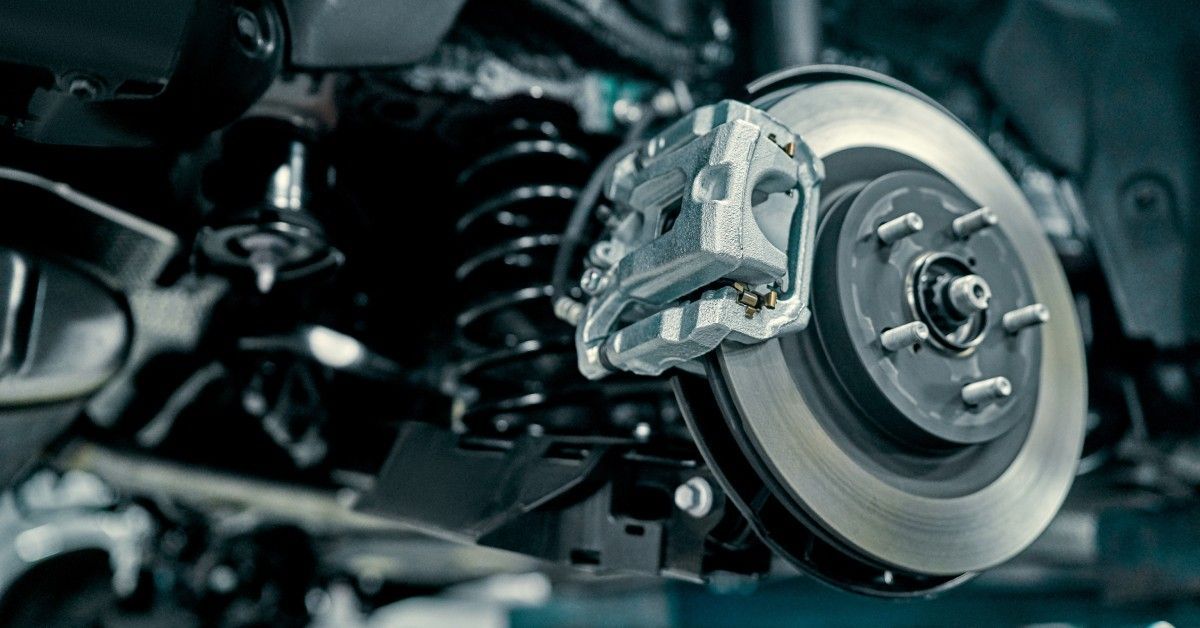
Do you feel a shaking or pulsing sensation through the brake pedal or steering wheel when you apply the brakes? This is a classic symptom of warped or unevenly worn brake rotors. It’s a feeling that’s hard to miss, and it’s a definite sign that something is wrong.
What Causes Vibrations?
Brake rotors generate immense heat every time you stop. This constant cycle of heating up and cooling down can cause the metal to warp over time. When a rotor is warped, its surface is no longer perfectly flat. As the brake pads press against this uneven surface, they create a pulsing sensation at the pedal.
This vibration can also be felt in the steering wheel, particularly when braking at higher speeds. Ignoring this symptom can lead to longer stopping distances and a loss of control, so it’s a good idea to have your rotors inspected by a professional if you notice any shaking.
3. Visible Grooves or Scoring on the Rotor
A quick visual inspection can sometimes reveal all you need to know about your brake rotors. When your rotors are healthy, they should have a relatively smooth, even surface. Take a look through your wheel spokes to check their condition.
What To Look For
Look for deep grooves or scores on the rotor’s surface. These marks can be caused by worn-out brake pads, road debris caught between the pad and rotor, or excessive heat. You might even see a bluish tint on the metal, which is a sign the rotors have overheated.
These surface imperfections reduce the contact area between the brake pads, weakening your stopping power. Minor scoring may be corrected by “turning” or resurfacing the rotor, but deep grooves usually indicate the rotor is too damaged and must be replaced.
4. Increased Stopping Distances
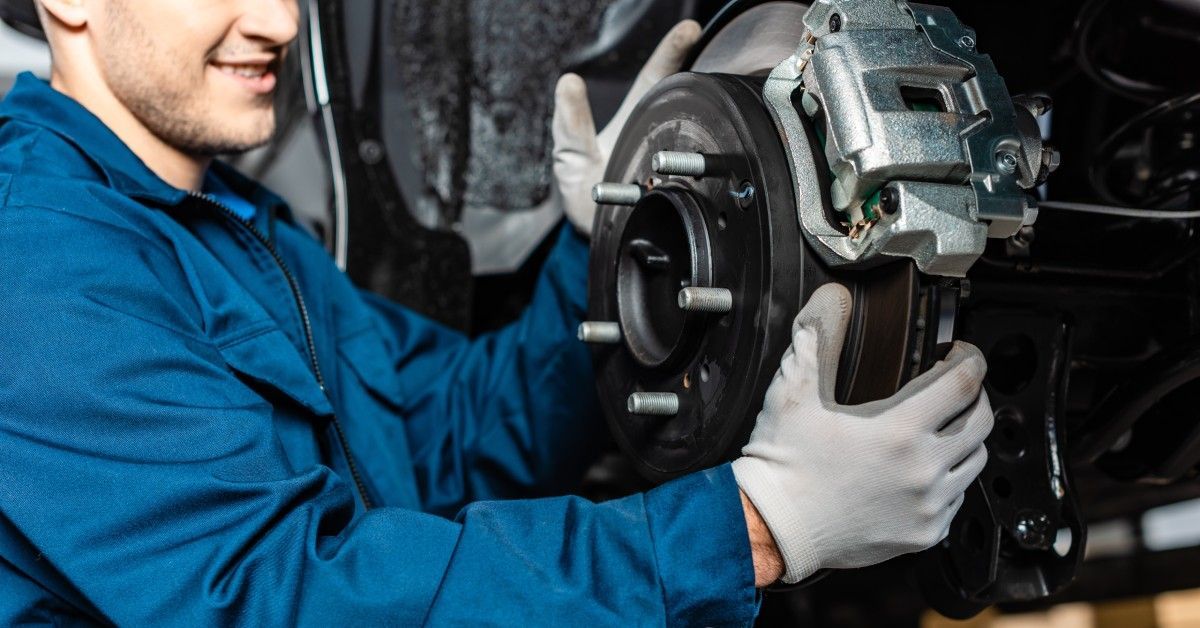
If you notice that your car is taking longer to stop than it used to, worn brake rotors could be the culprit. Your ability to brake effectively depends on the friction created between the pads and rotors. When the rotors are worn, that friction is compromised.
Why Does It Take Longer To Stop?
Worn rotors are thinner than new ones, and this reduced mass makes them less effective at dissipating heat. Overheated brakes are less responsive, a condition known as brake fade. Additionally, a scored or warped rotor surface prevents the brake pads from making full, even contact, further reducing their ability to slow the vehicle down.
An increase in stopping distance is a serious safety concern. If you find yourself pressing the brake pedal harder or needing more room to come to a stop, schedule a brake inspection immediately.
5. Brake Warning Light Appears
Your vehicle’s dashboard is designed to alert you to potential problems, and the brake warning light is one you should never ignore. While this light can indicate a variety of issues within the braking system, it can certainly point to problems with your rotors.
What the Light Means
The brake light might come on for several reasons, including low brake fluid or an issue with the anti-lock braking system (ABS). It can also be triggered by sensors that detect excessive wear on the brake pads, which, as we’ve discussed, is directly related to the health of your rotors.
When the brake warning light illuminates, it’s a direct message from your car that it needs professional attention. A certified mechanic can diagnose the specific cause and determine which repairs are required to get your brakes back in top condition.
Time To Check Your Brakes?
Your brakes are your car’s most important safety system, so keeping them in excellent working order is non-negotiable. By paying attention to these common indicators, you can identify when it’s time for a check-up and recognize the signs your brake rotors require replacement.
Don’t wait for a minor issue to become a major safety risk. If you notice any of these symptoms, have a trusted mechanic inspect your braking system to restore your peace of mind and keep you safe on the road.
If you’re in the Buffalo Grove, Illinois, area and have noticed any of these warning signs, don’t hesitate to seek professional help. The experienced technicians at Advanced Vehicle Technology Services are ready to provide top-quality auto and truck repair to ensure your vehicle is safe and reliable. Schedule your brake inspection today, and let’s get you safely back on the road.
You might also like