Options After a Vehicle Emissions Test Failure
Nobody wants to hear their vehicle failed an emissions test. The sinking feeling hits when you realize your car won’t pass inspection, and suddenly you’re facing unexpected expenses and potential transportation headaches.
But here’s the good news: failing an emissions test isn’t the end of the world. You have several options after a vehicle emissions test failure, and understanding these choices can help you make the smartest decision for your situation and budget.
Let’s walk through exactly what happens when your car doesn’t meet emissions standards and explore the practical steps you can take to get back on the road legally.
Understanding Why Vehicles Fail Emissions Tests
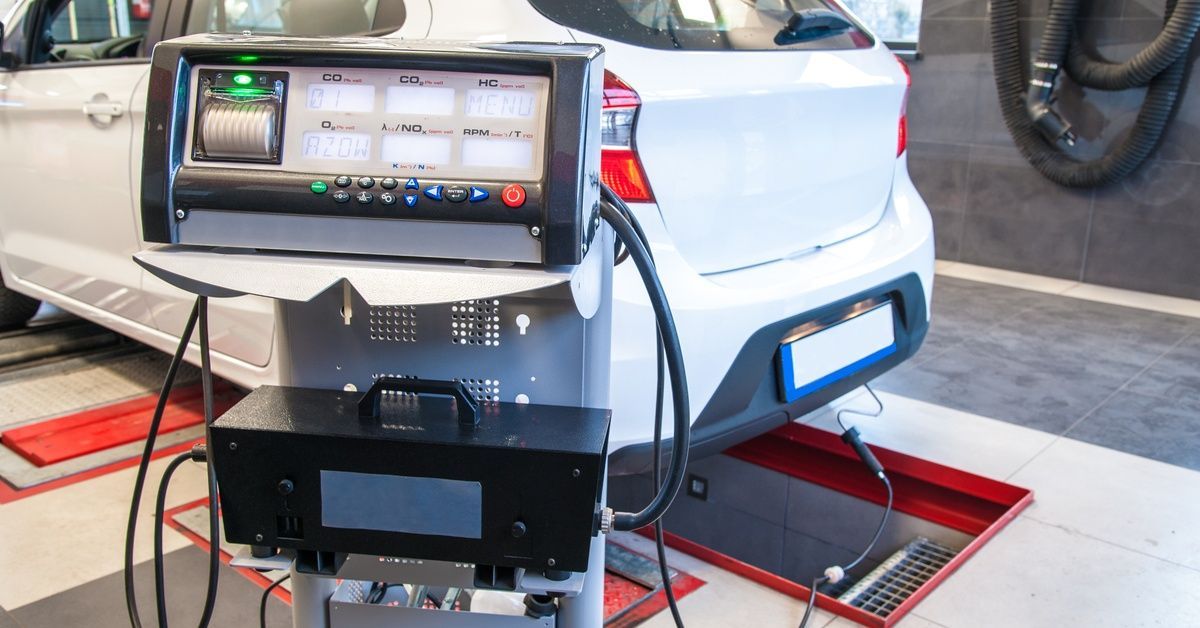
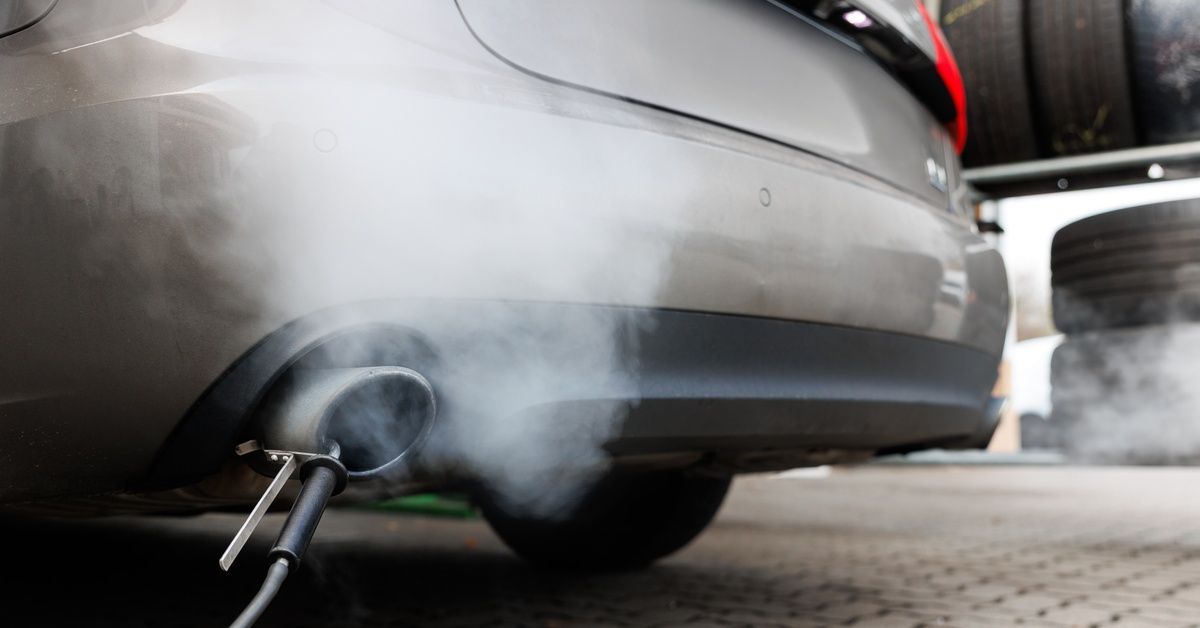
Emissions tests measure how much pollution your car releases into the atmosphere. These tests check for harmful substances, such as carbon monoxide, hydrocarbons, and nitrogen oxides, that contribute to air pollution and smog. Your vehicle might fail for various reasons. Sometimes it’s a simple fix like a loose gas cap or dirty air filter.
Other times, more serious issues, such as a faulty catalytic converter or oxygen sensor, cause the failure. Age plays a role, too. Older vehicles naturally produce more emissions as their components wear down.
Immediate Steps After Test Failure
When your car fails the emissions test, don’t panic. The testing facility will provide you with a detailed report explaining why your vehicle didn’t pass and which specific emissions exceeded acceptable limits.
Take time to review this report carefully. It contains valuable information about what needs fixing and gives you a roadmap for addressing the problems. Most facilities also provide information about local repair shops that specialize in emissions-related issues.
Getting a Professional Diagnosis
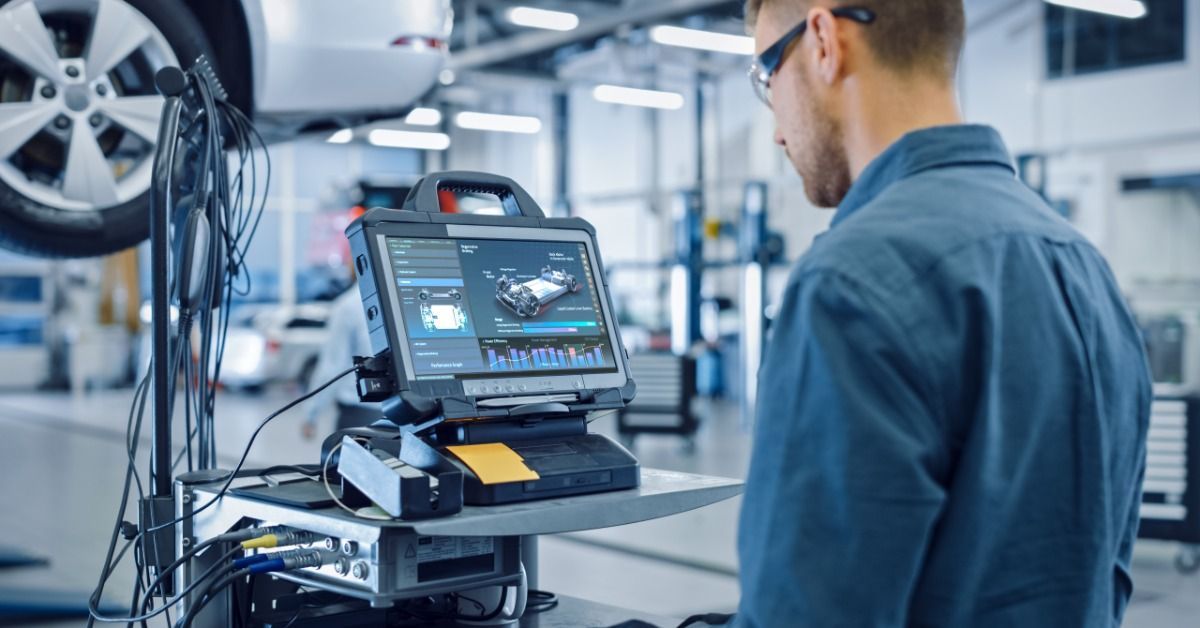
Before jumping into expensive repairs, consider getting a second opinion from a qualified mechanic who specializes in emissions systems. Not all repair shops have the same level of expertise with these complex systems.
A thorough diagnosis helps you understand the root cause of the problem rather than just treating symptoms. For example, a failing oxygen sensor might seem like the culprit, but the real issue could be a vacuum leak that’s causing the sensor to malfunction.
Ask for a written estimate that breaks down both parts and labor costs. This documentation helps you compare prices and understand exactly what work needs to be done. Moreover, it protects you from unexpected charges later.
Exploring Repair Options
When it comes to repairing your vehicle, understanding your options is key to making the best decision. By carefully evaluating repair services, costs, and warranties, you can ensure that your car receives the proper care it needs while avoiding unnecessary expenses.
Minor Repairs and Maintenance
Sometimes the solution is surprisingly simple. Replacing a worn-out gas cap, changing dirty air filters, or updating engine software can resolve emissions issues without breaking the bank.
Basic maintenance, like an oil change or tune-up, might also help your vehicle pass the retest. These routine services improve engine performance and can naturally reduce harmful emissions.
Major System Repairs
More serious problems require a bigger investment. Catalytic converter replacement, for instance, can cost anywhere from $500 to $2,000, depending on your vehicle type and the quality of parts used.
Oxygen sensor replacement, exhaust system repairs, and engine control module updates represent other common major repairs. These fixes address fundamental problems with your vehicle’s emissions control systems.
Weighing Cost vs. Value
Before authorizing expensive repairs, consider your vehicle’s overall value and condition. Spending $1,500 on emissions repairs for a car worth $2,000 might not make financial sense.
Calculate the total cost of ownership, including registration fees, insurance, and other maintenance needs. This broader perspective helps you make a more informed decision about whether repairs are worthwhile.
Alternative Solutions
When facing costly vehicle repairs, it’s important to explore all available options before committing to a decision. There are often alternative solutions that can save you money while still addressing the issue effectively.
Seeking Waivers or Extensions
Some states offer hardship waivers for vehicles that can’t pass emissions tests despite good-faith repair efforts. These waivers typically require documentation showing you’ve spent a minimum amount on qualifying repairs.
Extension programs might also be available in certain circumstances. Military deployment, medical emergencies, or other qualifying situations may allow you to temporarily delay compliance.
Trading or Selling Your Vehicle
If repair costs exceed your vehicle’s value, selling might be your best option. Even failed emissions test vehicles have value, especially if the mechanical condition is otherwise good.
Consider trading your vehicle for a newer, more efficient model that meets current emissions standards. Many dealerships will work with you even if your current car has inspection issues.
Exploring Cash-for-Clunkers Programs
Various government and nonprofit programs offer cash incentives for retiring older, high-polluting vehicles. These programs help remove the most polluting cars from the road while providing owners with financial assistance.
Research local air quality management districts or environmental agencies that might sponsor these initiatives. The incentives can help offset the cost of purchasing a replacement vehicle that meets emissions standards.
Prevention Strategies for Future Tests
Regular maintenance is your best defense against future emissions test failures. Following your manufacturer’s recommended service schedule keeps all systems running efficiently and reduces the likelihood of problems.
Pay attention to warning signs like the check engine light, unusual exhaust smoke, or decreased fuel economy. Addressing these issues promptly prevents minor problems from becoming major expenses.
Keep detailed maintenance records that document your vehicle’s care history. These records demonstrate responsible ownership and can be valuable if you need to apply for waivers or extensions.
Making the Right Choice
Your decision should balance several factors: repair costs, vehicle value, your transportation needs, and your budget constraints. There’s no universal right answer that works for everyone.
Consider how long you plan to keep your vehicle and whether other major repairs might be needed soon. Sometimes it makes sense to invest in emissions repairs as part of a broader maintenance strategy.
Think about your driving habits, too. If you only drive occasionally, the cost-per-mile of expensive repairs might be justified. Daily commuters might benefit more from investing in a newer, more reliable vehicle.
Moving Forward After Emissions Test Failure
Failing an emissions test can be frustrating, but you have multiple options after a vehicle emissions test failure that can get you back on the road. Whether you choose to repair, replace, or retire your vehicle, the key is making an informed decision based on your specific circumstances.
Take your time to research options, get multiple opinions, and choose the path that makes the most sense for your situation. With the right approach, you’ll be back to safe and legal driving status before you know it!
Looking for a car service center to get your vehicle back on the road? Advanced VTech is here to provide the expert diagnosis and precise repairs needed to ensure your vehicle not only passes the retest but also performs optimally, adhering to all environmental standards. Let our experienced technicians help you confidently navigate this process!
You might also like