How Fleet Maintenance Keeps Businesses Moving
When you depend on vehicles to get work done, a breakdown affects much more than the repair schedule. A truck that will not start can delay the first job of the morning, while a van stuck at the shop can leave a route uncovered. Suddenly, your team spends time rearranging work instead of completing it.
Once you see how fleet maintenance keeps businesses moving , routine service looks different. You are not simply changing oil or checking brakes. You are protecting the hours your vehicles need to stay productive.
Keep Maintenance on the Calendar
Planned maintenance gives you something every busy operation needs: control over timing. You can schedule service when a vehicle has a lighter workload instead of dealing with a breakdown during a packed day. A planned shop visit takes a vehicle off the road briefly without throwing the entire day into question.
Emergency repairs create a very different situation. You do not get to choose when the vehicle stops, and the problem often arrives when you need that unit most. Dispatch has to adjust assignments while someone handles towing or transportation to the shop. Preventive maintenance reduces those interruptions by giving you chances to address wear before it controls the schedule.
Schedule Service Around the Workday
A maintenance program works best when it fits your actual operation. If you bring several vehicles in at once, you can create your own shortage even when nothing has broken down. Staggering service lets you keep enough vehicles available while the others get attention. That approach turns maintenance into a predictable part of the workweek instead of a disruption you have to work around.
Think about when each vehicle earns its keep. A delivery van that carries a full route every weekday needs a different service window than a backup truck used only occasionally. The exact rhythm depends on your operation, but the goal stays the same: keep enough vehicles ready to cover the work.
Use Mileage and Engine Hours Together
Mileage does not always tell you how hard a fleet vehicle works. A truck can spend hours idling at a job site while adding very little to the odometer. Engine hours help you account for that extra operating time, especially when you plan oil service or other maintenance tied to engine use. Tracking both gives you a more realistic picture of when a vehicle needs attention.

Catch Small Repairs Before They Cancel Work
Many costly breakdowns start with symptoms that look manageable. A slow coolant leak can turn into an overheating problem after a long day under load. Thin brake pads can damage other brake components when you leave them in service too long.
Routine inspections give you time to act before those issues reach that point. When a technician catches the coolant leak early, you can schedule the repair before the temperature gauge climbs during a delivery. Small repairs become easier to manage when they stay small.
Keep Drivers From Losing Productive Hours
Your drivers often notice a problem before anyone else does. They know how a vehicle normally starts, handles, and stops because they spend hours behind the wheel. When something changes, their feedback can give you an early warning that an inspection is needed. The key is making sure they report those changes before the vehicle becomes difficult or unsafe to operate.
Turn Driver Feedback Into an Early Warning System
Drivers don't need to diagnose the problem. Ask them to describe what changed and when they noticed it. A technician can take it from there and determine what needs attention.
Drivers should report concerns such as:
- Warning lights that stay on or begin flashing
- New vibrations through the steering wheel or vehicle
- Brakes that feel different during normal stops
- Slow cranking or repeated trouble starting
- Fresh fluid spots under a parked vehicle
- Temperature gauges that begin running higher than normal
- New noises that appear during turns, acceleration, or braking
Treat those reports as useful maintenance information instead of inconveniences. Listening early gives you more choices about when and how to respond.

Use Fleet Records To Control Costs and Timing
Good maintenance records tell you what each vehicle needs before repairs become urgent. Track service dates alongside mileage so you can see what is coming due. Add repair history when a unit develops a recurring concern. Over time, those records make it much easier to decide when to schedule work.
The history also helps you spot vehicles that consume more maintenance time than the rest of the fleet. If one truck returns repeatedly for the same type of problem, you can investigate the pattern instead of treating every repair as an isolated event. That gives you better information when you decide whether to keep repairing the unit or start planning for replacement. You avoid making that decision in the middle of another breakdown.
Take Tires, Brakes, and Fluids Seriously
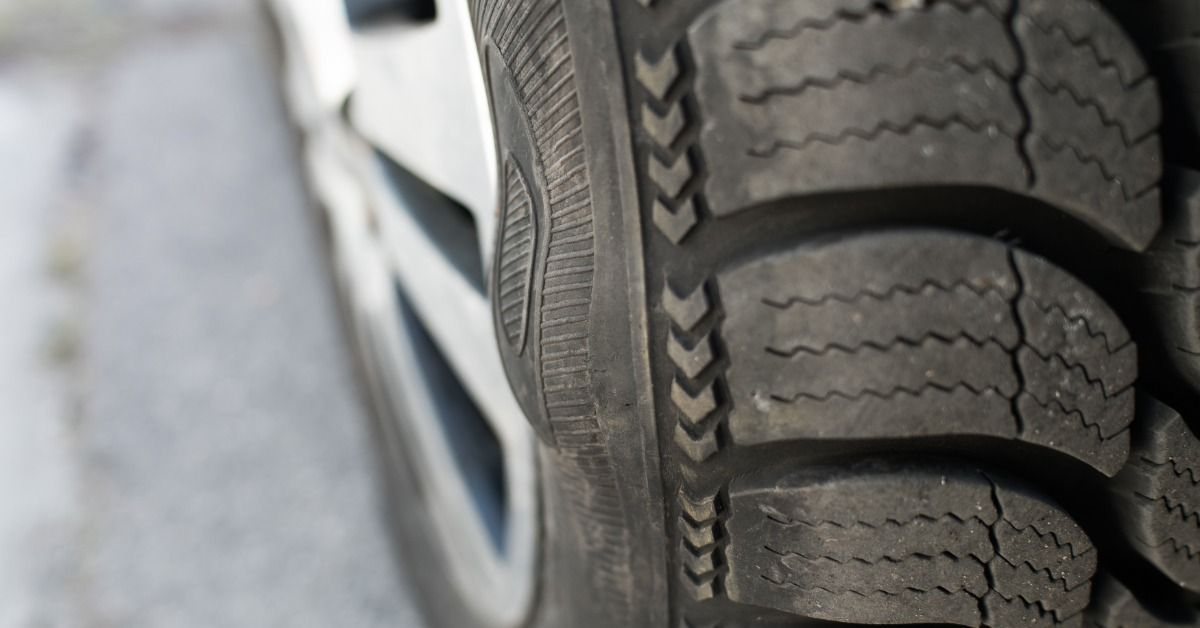
Some maintenance items directly affect whether a vehicle finishes its day. Tires see constant road contact, so pressure problems or uneven wear can quickly create a roadside issue. Fluid problems can lead to overheating or internal wear that turns a routine service need into a major repair.
That does not mean you need to replace parts early just to play it safe. Instead, use inspections to understand the actual condition. Tire tread measurements can show whether alignment or rotation needs attention, while brake measurements help you plan service before metal-on-metal contact starts.
Pay Attention to High-Downtime Systems
Batteries also deserve attention because they can interrupt the day before the vehicle even leaves the lot. A battery test can identify weakening starting capacity before cold weather or heavy accessory use exposes the problem.
Cooling system inspections serve a similar purpose by finding leaks that can lead to overheating under load. When you focus on systems that commonly stop vehicles from completing work, maintenance directly protects productive hours.
Keep the Business Moving With the Right Service Support
Fleet maintenance works best when your service team understands that vehicle uptime affects the rest of your business. You need clear information about what requires attention and enough notice to plan around upcoming repairs. When technicians catch developing problems during routine service, you gain time to choose a repair window that fits the schedule. That is how maintenance supports the business instead of simply responding to broken vehicles.
Advanced Vehicle Technology Services helps businesses in Buffalo Grove, IL, with fleet services that keep vehicles reliable and workdays running smoothly. When a truck or van starts showing warning signs, getting it checked early can help you avoid unexpected downtime. We can help you stay ahead of routine maintenance and address developing issues before they interfere with the jobs already on your calendar. Call today to discuss your fleet maintenance needs!
You might also like